What scent stacking is and why it is trending
Scent stacking means wearing two or more fragrances, oils or lotions together to make one scent that is yours. Pinterest’s 2026 forecast named it a top beauty trend: searches for “perfume layering combinations” rose 125% and “scent layering” 75%. Fewer people want one signature bottle, and more want a scent nobody else is wearing.
The numbers behind the trend, as reported from Pinterest Predicts 2026:
| Search term | Change reported |
|---|---|
| Niche perfume collection | up 500% |
| Perfume layering combinations | up 125% |
| Perfume notes | up 80% |
| Scent layering | up 75% |
| Signature scent | up 45% |
Spate’s 2026 fragrance report also lists scent layering and fragrance wardrobing among the habits changing how people shop.
Why some combinations work and others clash
Each perfume is already a blend of many ingredients, made to smell like one idea. When you wear two, you are blending two finished ideas on your skin, so the result can be lovely or muddy. Three things decide which.
- How they change over time. The first smell (often fresh and bright) fades first. The warm, deep smell underneath stays for hours. After a while your stack smells mostly like whatever the two perfumes have left at the bottom.
- How strong each one is. A heavy, smoky or very sweet perfume can bury a light one. If both are loud, neither wins.
- What they share. Two perfumes with something in common, such as a woody, vanilla or musky feel, tend to merge. Two with nothing in common tend to sit side by side without blending.
Four rules that hold up
- Let one scent lead. Experts quoted by Who What Wear say the best way to avoid a clash is to give one fragrance the lead and pair it with something softer, the way you would wear a statement piece with neutrals.
- Match strength, or choose a lighter partner. Put a bold perfume with a quiet one. Two statements compete.
- Start with two. Every extra perfume adds more to sort out. Add a third only once you know what the first two do together.
- Mix formats. An expert quoted by Yahoo Lifestyle suggests layering different formats, such as a spray over an oil or a scented cream, so you can control how much each one affects the other.
Pairings that tend to work
These pairings come from the advice of dsm-firmenich perfumer Nicole Mancini, as reported by Who What Wear. The last column is general reasoning, not a claim about any one product.
| If your main scent is | Try pairing with | Why it tends to work |
|---|---|---|
| A floral | A fresher scent, or a deep warm one | Florals are versatile and sit comfortably between bright and deep |
| A musk | Citrus, floral or amber | Musk adds a soft, skin-like feel without taking over |
| A woody scent | Citrus or floral | The wood grounds the mix; the partner adds lift |
| A vanilla or sweet gourmand | A floral or woody scent | Mancini says this adds depth without overwhelming the sweetness |
Combinations to be careful with: two heavy, warm scents at once, such as a smoky oud with a rich amber, or two very sweet ones. They compete for the same space and tend to turn dense. Treat that as a starting caution, not a law. Some bold pairings work when one clearly leads.
How to test a stack before you wear it
You do not need full bottles to experiment. Travel-size samples let you try combinations cheaply, which is the approach Southern Living suggests for layering without buying full sizes.
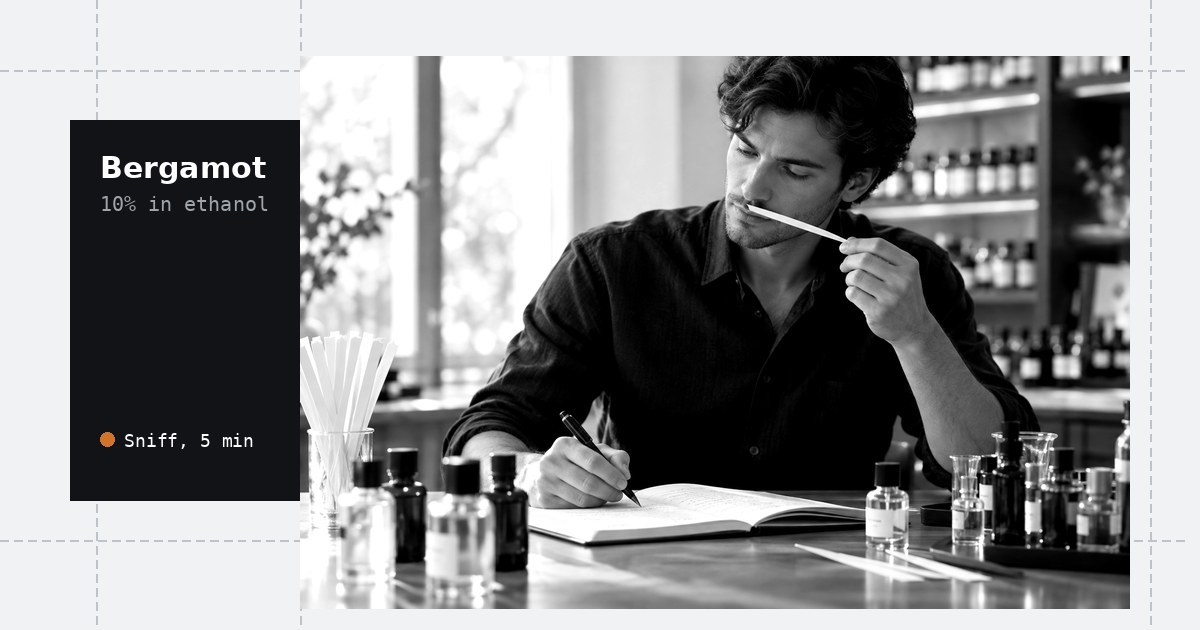
- Spray each perfume on its own paper card, or on separate wrists, and sniff after a few minutes.
- Then try them together: one on each wrist and rub lightly, or one over the other on the same spot.
- Come back after 30 minutes and after a couple of hours. The first minute is not the whole story.
- Write down what you smell in your own words, such as “warm bread”, “clean laundry” or “pencil shavings”. Any words work.
- Take a break between tests. Your nose adapts quickly, and a stack judged after ten sniffs is judged by a tired nose.
How to wear it
Spray your main scent first, pause briefly, then add the lighter one. Use less of each than you would alone: a stack is stronger than either perfume, and over-spraying is a quick way to tire your nose and bother people near you. If you want it to last longer, pick a partner with a warm woody or musky base, since those are what remain after the fresh top has gone.
If you have sensitive skin or react to fragrance, test a small area first. Do not put undiluted essential oils on skin.
Frequently asked questions
Can you layer any two perfumes?
You can, but not every pair works. Pairs that share a woody, musky or vanilla feel tend to merge. Pairs with nothing in common, or two very strong scents, tend to clash. Test with samples first.
How many perfumes should you layer?
Start with two. Add a third only when you understand the first two together. More layers make the result harder to predict and harder for your nose to read.
Does layering make perfume last longer?
Only the ingredients that last will last. A partner with a woody or musky base can add a longer tail, but layering does not make fragile fresh top notes stay longer.
What is the difference between scent stacking and scent layering?
They mean the same thing. “Scent stacking” is the name Pinterest used for its 2026 trend, and “layering” is the older term. Both describe wearing more than one fragrance product to make one scent.
Which scent should go on first?
Advice differs. A simple approach is to spray your main scent first and add the softer one second, then judge it after the fresh top notes settle. Your own test will tell you more than a fixed rule.
Sources
- Personal Care Insights, Pinterest’s 2026 beauty forecast
- PPC Land, Pinterest unveils 21 consumer trends for 2026
- Spate, 2026 fragrance trends report
- Who What Wear, I asked scent experts how to layer perfume
- Yahoo Lifestyle, How to layer multiple fragrances
- Southern Living via AOL, The most popular fragrance trend of 2026